By Sean Hsieh, Founder & CEO, Runline
Go back one last time to the room where this series started. The leader who built something real in an afternoon. The board that nodded at “build so we can control” and moved on to the next agenda item. Five pieces later, we can finally finish the sentence they left hanging, and it turns out the ending is not the warning I could have handed them in the first meeting. It is better than that.
In the first piece I told you that “control” was a liability transfer, that saying “we’ll build it so we can control it” was a decision to take the pager back, to own the uptime and the audit trail and the three-in-the-morning failure, alone. That was true, and it was the honest thing to say to a room that had only heard the exciting half. But it is not the end of the story, because the six percent who cross the chasm are not carrying all of that alone through force of will. They found something the room could not see from the doorway: real control does not come from holding every obligation yourself. It comes from standing on a foundation where those obligations are already handled, and kept current, so that the only things you carry are the ones that are actually yours, your workflows, your data, your decisions about your members.
That foundation has a name. We call it a Company Operating System.
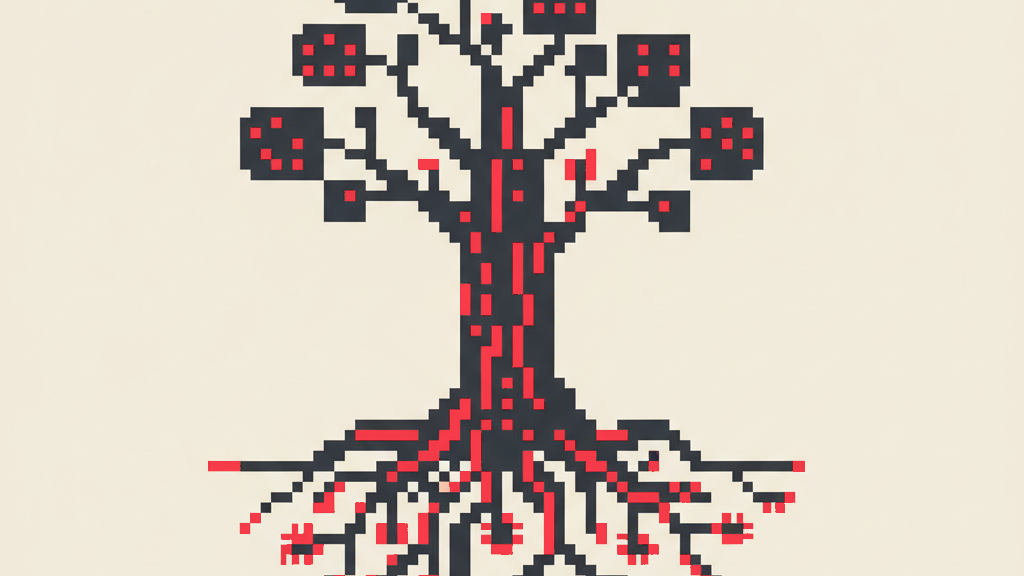
Build from the center, drive from the spokes
The shape of it is simple to say and hard to build, which is exactly why most institutions should stand on one rather than construct it. You build from the center, and you drive from the spokes.
The center is the far side of the chasm, pre-built and permanent. It is where your data is unified across your cores and made citable, where every agent runs behind one control plane with identity, a full audit trail, and an instant kill switch, where verification and model-routing and model-risk documentation are properties of the ground itself rather than things each team has to reinvent. That is the part no single workflow should have to pay for, and on a Company OS no single workflow does.
The spokes are yours. They are the actual work of the institution: BSA triage, loan-file assembly, member service, collections, each one a workflow you own, shaped to how your institution really operates, run by a Runner on a foundation that already knows how to keep it safe. You are not renting someone else’s idea of how a credit union should work. You are building your own, on ground that holds. That is the difference between control as a burden and control as a capability.
If that sounds like a vendor’s theory, consider who else just arrived at it. Netflix, the company most famous for letting local teams build whatever stack they needed, told Lenny’s Podcast in 2026 that the agent era changed the math. Its Chief Product and Technology Officer, Elizabeth Stone, put it plainly: “In a world of AI with agents operating across multiple systems… common infrastructure, common paved paths, solving problems once with a core set of capabilities becomes more important.” Netflix is now hiring “more systems thinkers, people who can look across all the business domains and abstract that to here’s the building blocks we’re going to need.” If the company with some of the best engineers on earth has concluded that the agent era rewards building from the center, a credit union running on an IT department should be very slow to conclude it can safely wing it from the spokes.
Why it compounds
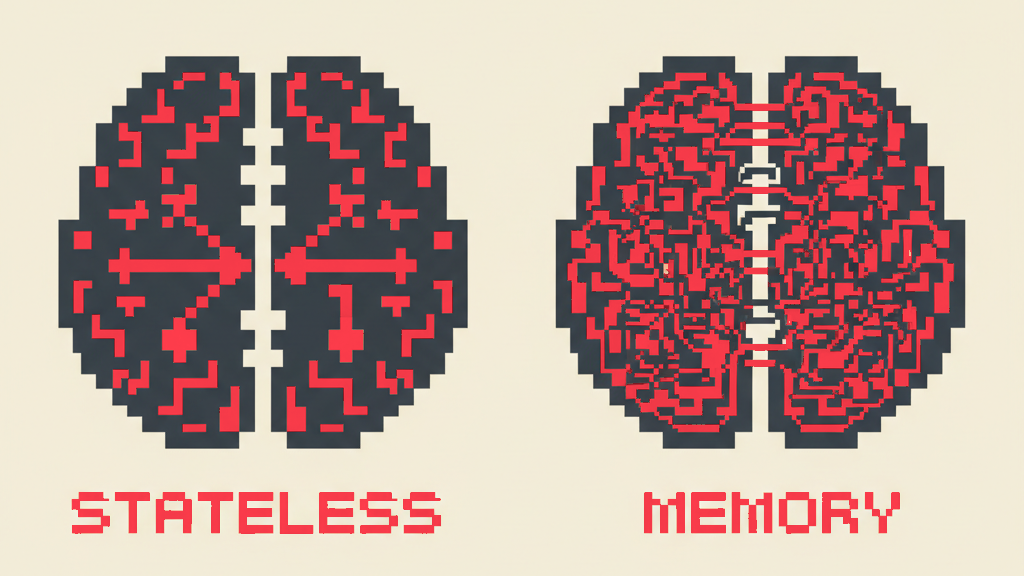
Here is the property that makes it worth everything, the one that separates the six percent from the ninety-four. On a foundation like this, every build makes the next one cheaper. The first workflow is the hard one. The second is eighty percent the same shape, because the data foundation is already there, the governance is already there, the audit trail is already there. Once BSA triage is live, fraud case work is most of the way built. Once one workflow compounds, the institution compounds with it. That is what the ninety-four percent never reach, because they cross the chasm from scratch every single time. It is what the six percent do almost without noticing, because they stopped rebuilding the far side.
I wrote a whole piece once, “What Your Credit Union Looks Like in 150 Lines of Python”, about how an institution learns the way a model learns, and how the credit union that captures what its people know compounds while the one that does not starts over at every retirement. A Company OS is where that capture actually lives. The override your senior analyst makes today becomes part of what the Runner knows tomorrow. The institution stops leaking its own intelligence out the door and starts keeping it.
Who this is for
I want to be clear about who this is for, because in the end it is not about the technology. A fifty-million-dollar credit union standing on a Company OS can operate at the capability of a two-billion-dollar one, not by hiring five hundred people, but by giving the fifty it has a foundation that makes each of them count for more. That is the equalizer I have come back to again and again in this series. The members of a small credit union, in a town nobody writes about, deserve the same intelligence infrastructure as the largest bank in the country. The cooperative model was built on that exact conviction. A Company OS is how it becomes real in the AI era.
We built Runline because we crossed this chasm ourselves, on our own operations, and decided that no institution should have to build the far side alone just to earn the right to serve its members well. That is the reason the company exists. Not to sell you a tool. To be the ground you build on.
The whole sentence
So here it is, finally finished, the sentence the board left hanging in the first piece:
Build so we can control, on an operating system where control is real and every build compounds, so the institution gets better every year instead of starting over, and the people it serves feel the difference.
That is the full sentence. It was always going to be longer than four words. The credit unions that read the whole thing, and choose their path with clear eyes about which side of the chasm they are starting from, are the ones that will look, in five years, like a different kind of institution entirely.
This series was the diagnosis and the destination: why building from scratch fails, and what the far side actually looks like. The next one is the blueprint, written for the traditional financial institution that wants to become an AI-transformed organization the right way, on an enterprise-ready framework, instead of constructing it all from scratch and hoping it thought about this correctly. That is a different reader, standing in a different place, and it deserves its own series. It is the one I am writing next.